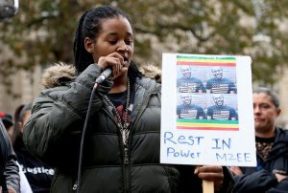
Family of Mzee Mohammed no closer to finding out how he died

Mzee Mohammed family @ UFFC demo 2016 - Image credit Wasi Daniju
Mzee Mohammed family @ UFFC demo 2016 – Image credit Wasi Daniju

source: Liverpool Echo
published: 11 November 2016

Medical experts still do not know how popular teen Mzee Mohammed died, four months on from his death. The 18-year-old passed away after falling unwell while being detained by police and security staff in Liverpool ONE.

Area coroner Andre Rebello today issued a new appeal for witnesses as he called on the public to help end the mystery surrounding the tragedy.

Mr Mohammed was detained following an incident at the Chips-A-Go-Go fast food kiosk near John Lewis on the evening of July 13.
Continue reading

Safer custody: camera-based vital sign alarms will save lives

Police Cellsource: Real Wire
published: 21 June 2016

Oxehealth, the first company in the world to bring a medical-grade, contact-free vital sign monitoring system using digital video cameras to market, will be launching its technology at IFSEC International this week.

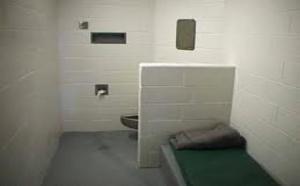
Publically exhibited in a cell setting for the first time outside of Oxford, and in collaboration with globally renowned partners Hanwha Techwin, Oxecam software promises to transform the safety and care of detainees and patients in secure room environments.

Cameras equipped with the Oxecam software can measure vital signs including heart and breathing rate anywhere in a room and totally contact free, using normal digital video camera sensors.

Continue reading

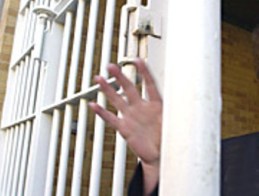
Women shouldn’t be forced to seek refuge inside a prison

Woman in Prisonsource: Politics.co.uk
published: 20 May 2016

By Claire Cain
Over the years Holloway has been like a refuge to me – sleeping in doorways was tough. When it was freezing and there was snow on the ground, I would never have survived outside.”

The above quote is from the story Survival, part of an online collection of anonymous first-hand accounts about life in soon to be closed Holloway prison. It says everything about why we, at the national charity Women in Prison (WIP), have launched a campaign to Reclaim Holloway, and why we want to see a different approach to prison reform from that set out in the Queen’s Speech.

Every year around 9,000 women are sent to prison, yet the only risk of harm posed by most of them is to themselves. Suicides in prison are on the rise.

Continue reading